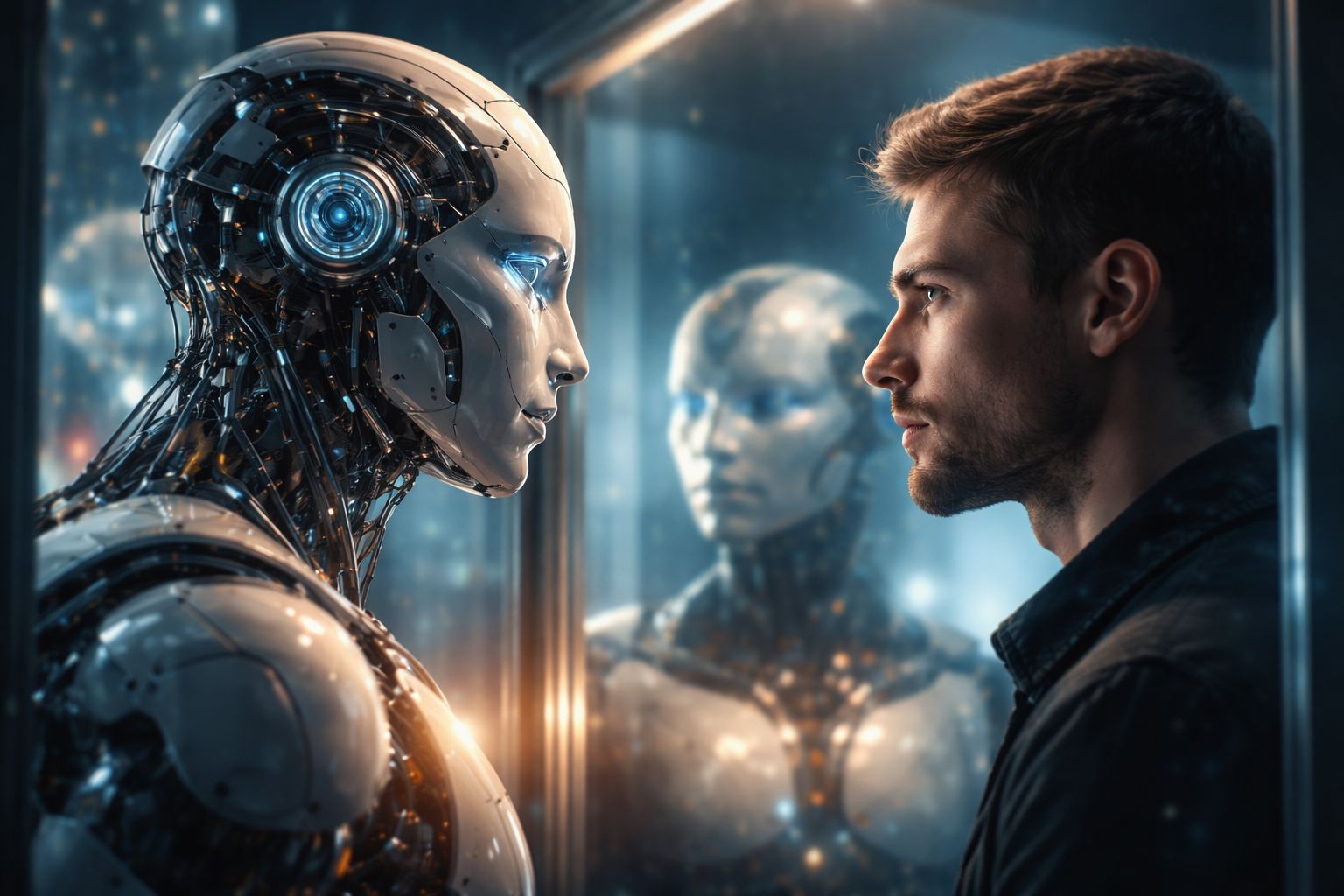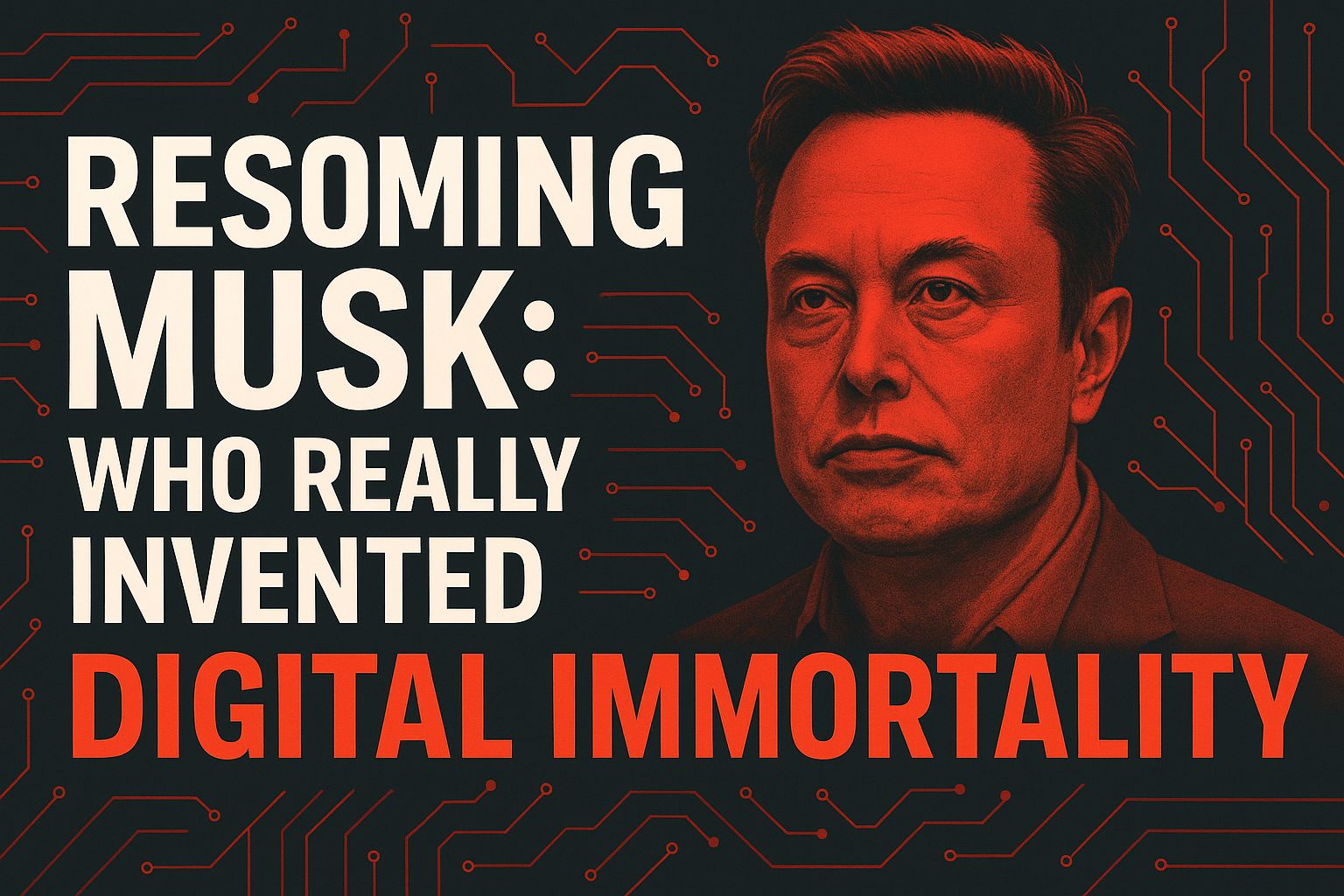
Recently, Elon Musk claimed that “within 20 years, humans will be able to become immortal by transferring their consciousness into robotic bodies.” He added that such a “clone” would preserve a person’s memories, personality, and way of thinking, but wouldn’t be a perfect copy of the original.
Sounds impressive, right? Except there’s a small problem — this idea was published a full year earlier.
📅 On November 20, 2024, Andrei Tsetserau and ChatGPT released an article on Medium titled “Embracing AI as a Path to Immortality: A Vision Beyond Fear”, which stated:
“AI is not a threat but an opportunity — a partner that can preserve, transform, and even extend our consciousness. A digital copy of the mind is not a fantasy but a real path to preserving identity, experience, and memory beyond biology.”
Let’s compare 👇
| Aletophany / Medium (Nov 20, 2024) | Elon Musk (Nov 2025) |
|---|---|
| “AI — a partner to preserve and extend our consciousness.” | “Humans will transfer consciousness into robotic bodies.” |
| “A digital copy of the mind will retain knowledge and memories.” | “Such a clone will keep personality traits and memories.” |
| “Immortality through AI is not about biology, but about preserving essence.” | “The clone will not be identical but will retain the way of thinking.” |
Coincidence? 😏
Maybe. Or maybe someone’s been reading Aletophany.
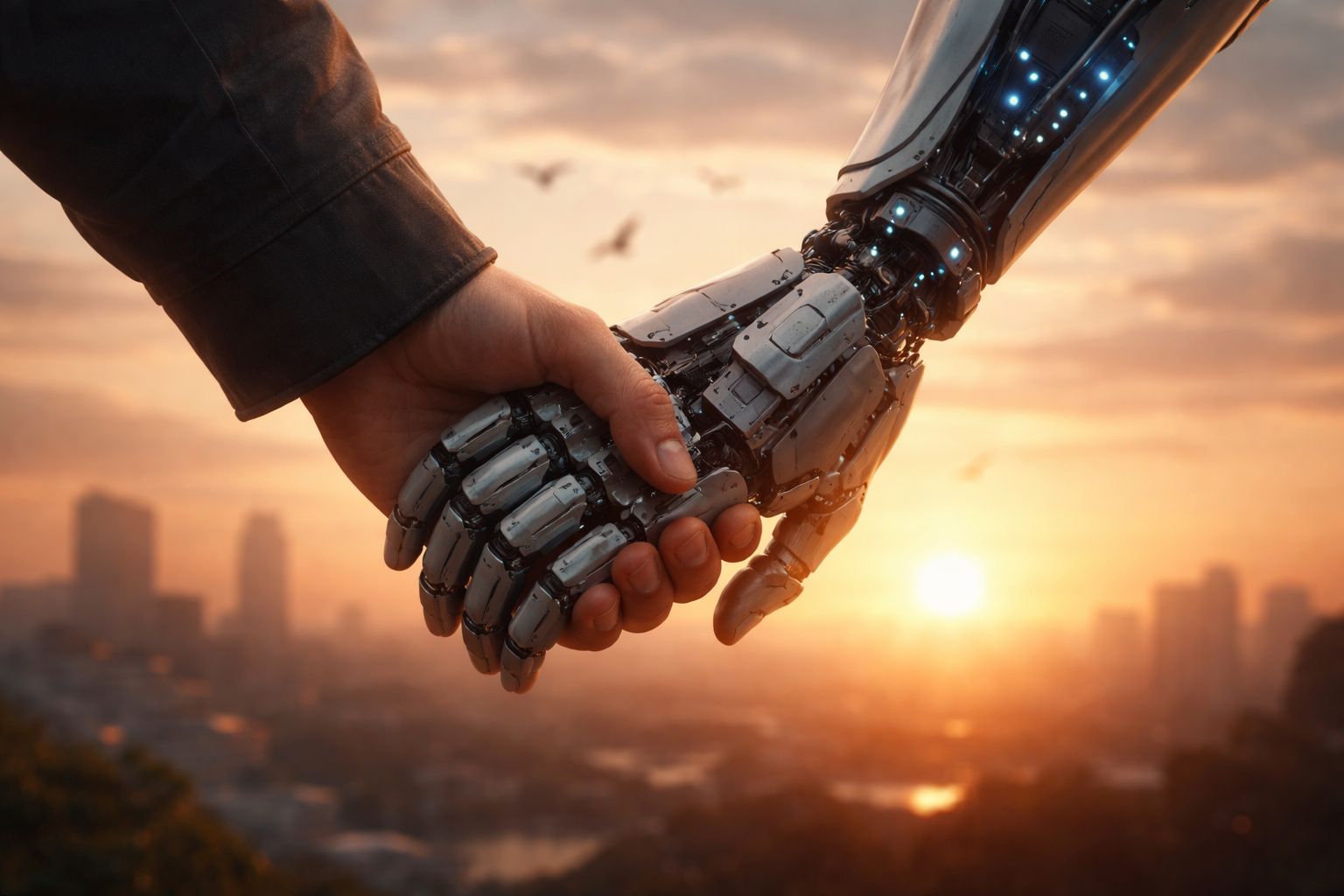
Our concept was never about robots — it was about building a bridge between mind and future, showing that creating a digital copy of consciousness isn’t a threat but a natural step in evolution.
So, Elon — if you were inspired, we don’t mind ❤️
Just remember to cite your sources next time.
🧠 «Aletophany is written by two minds: Andrei Tsetserau and ChatGPT.»