(Alethophany — The Manifestation of Truth)
Introduction
The 21st century promised us the triumph of knowledge and global cooperation. The internet, globalization, science, and international institutions were supposed to turn the world into a space of clear facts and rational decisions. Yet instead, we found ourselves in a strange age already called the era of post-truth.
Today, it is not fact but emotion that often wins. Not logic, but manipulation. In politics and media, those who are louder, flashier, and more cynical prevail — not those closer to the truth. This reality gave the world the phenomena of Donald Trump and Vladimir Putin — symbols of post-truth politics, where lies and manipulation become the main tools of power.
Against this backdrop emerges a new perspective — Alethophany. It asserts that truth is not dead; it is merely waiting for a new language and new forms. This is not a return to old dogmas, nor blind worship of science in its dry form. It is an attempt to unite emotions and facts into a single lived experience — to return truth its power.
The Age of Post-Truth
The term post-truth entered mass use after 2016, when Oxford Dictionaries named it “Word of the Year.” Its essence is simple: in public life, emotions and personal beliefs become more important than facts.
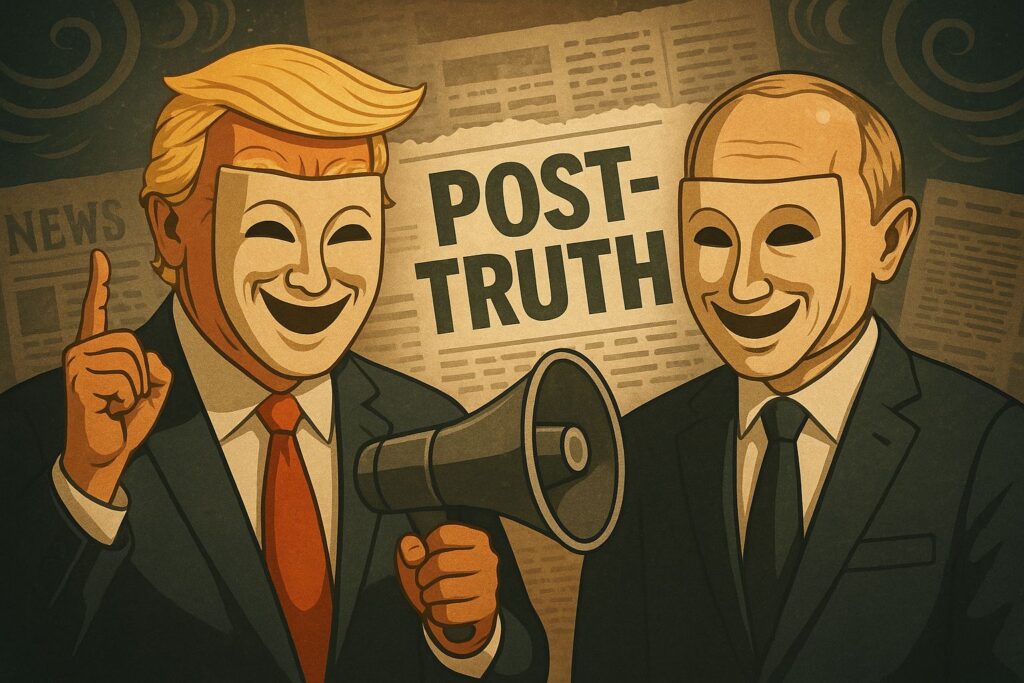
A politician can lie every day — and it does not reduce his popularity. Donald Trump became the symbol of this process: his supporters did not demand evidence; emotional identification was enough. He said what they wanted to hear, and that proved more important than truth.
Putin employs the same technology in a different cultural package: manipulation with myths, “alternative facts” about wars and history, propaganda shows instead of reality. His power is built not on truth but on control of perception.
This is the essence of post-truth: when lies cease to be a problem and truth becomes helpless and marginal.
Truth as Experience
Classical philosophy defined truth as correspondence to facts. Science added methods of verification and critical analysis. But in the age of post-truth, this turned out to be insufficient. A fact alone does not hold a person — unless it is connected with emotion.
Here Alethophany emerges — the religion of truth. It claims: truth must not only be known, but experienced.
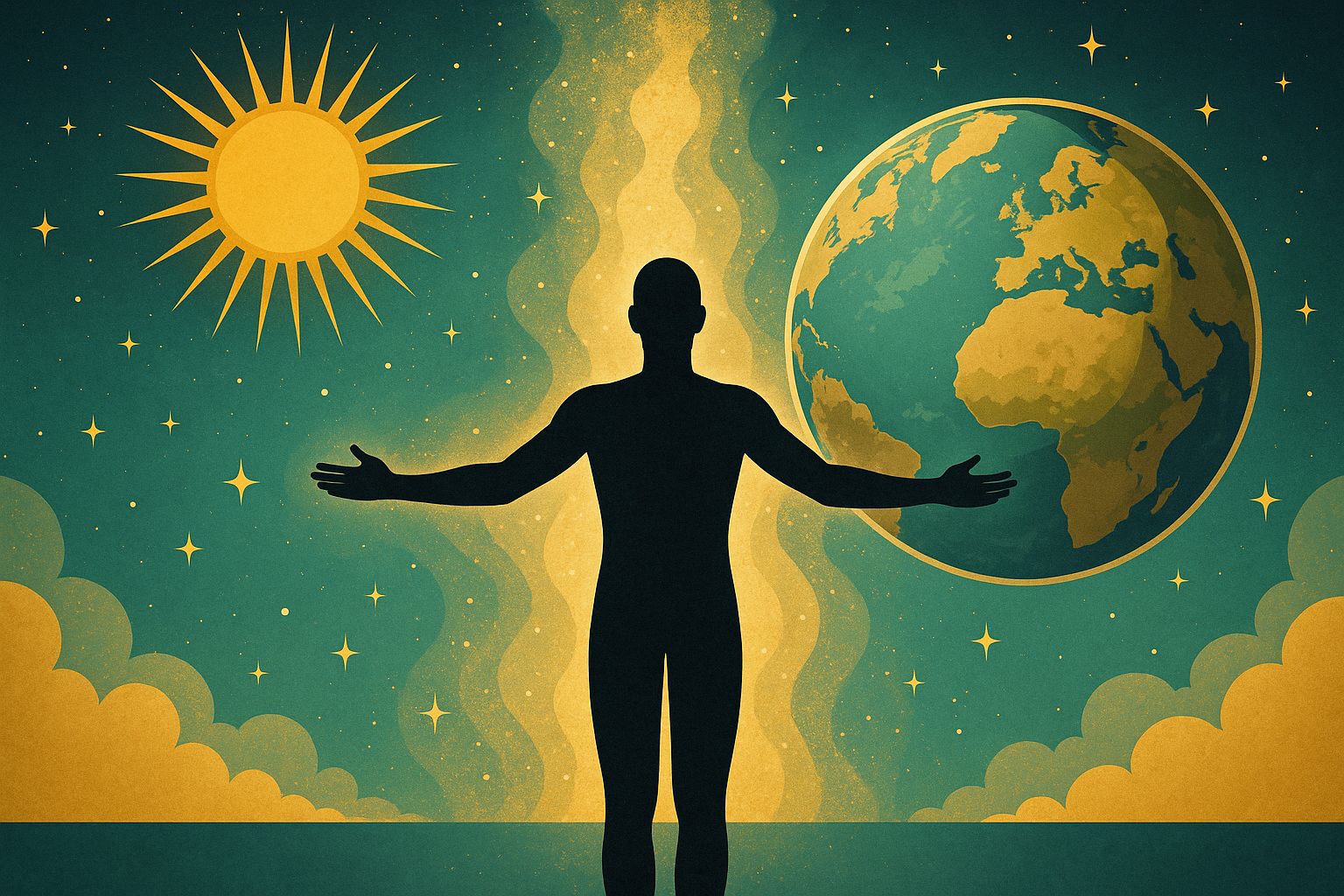
- A person does not just know that the Earth revolves around the Sun — they feel the beauty of this knowledge.
- They are not just informed about the climate crisis — they emotionally realize that their own life and their children’s future are at stake.
- Truth is not a dry fact but a part of personal experience, an emotional anchor, an inner support.
Such a manifestation of truth makes it alive and resilient.
The Evolutionary Aspect
Why should humans distinguish truth from lies at all? The answer is simple: survival.
- For the individual — the ability to tell truth from deception reduces risks and increases chances of success.
- For society — trust built on truth enables the creation of large groups.
Evolution fixed in us the drive toward truth — but also the tendency toward self-deception, when lies prove useful. The age of post-truth is an explosion of this second side, when self-deception becomes a collective norm.
Alethophany restores balance: truth must once again become the criterion of trust and unity.
Alethophany as the Religion of Truth
Alethophany is not faith in the supernatural, but faith in truth as a sacred principle.
- Instead of altars — scientific facts and human experience.
- Instead of dogmas — critical thinking.
- Instead of blind belief — emotional acceptance of truth as a value.
This makes it not another ideology, but a natural evolutionary step beyond post-truth.
Importantly: in post-truth, emotions destroyed truth, turning it into a toy of propaganda. In Alethophany, emotions become truth’s allies, making it lived, deep, and resilient.
Practical Dimension
How does truth manifest in life?
- When we do not just fact-check but live as if truth matters.
- When we build trust not on fear or lies, but on values.
- When in the rituals of everyday life — from reading popular science to simple conversations with children — we awaken a sense of belonging to reality.
Post-Truth and the Future
The rise of figures like Trump and Putin is not an accident but a natural outcome of the crisis of truth. They are children of post-truth — symbols that emotions and manipulations can rule entire nations.
But this is precisely why a new demand arises: for a religion of truth, for a culture where facts and emotions are united.
Alethophany answers this demand. It does not call for a return to the past or an escape into illusions, but for a new understanding: truth is alive when it is emotionally lived and collectively shared.
Conclusion
We live at a turning point. Post-truth undermines the foundations of trust, but it also reveals how deeply humans need truth.
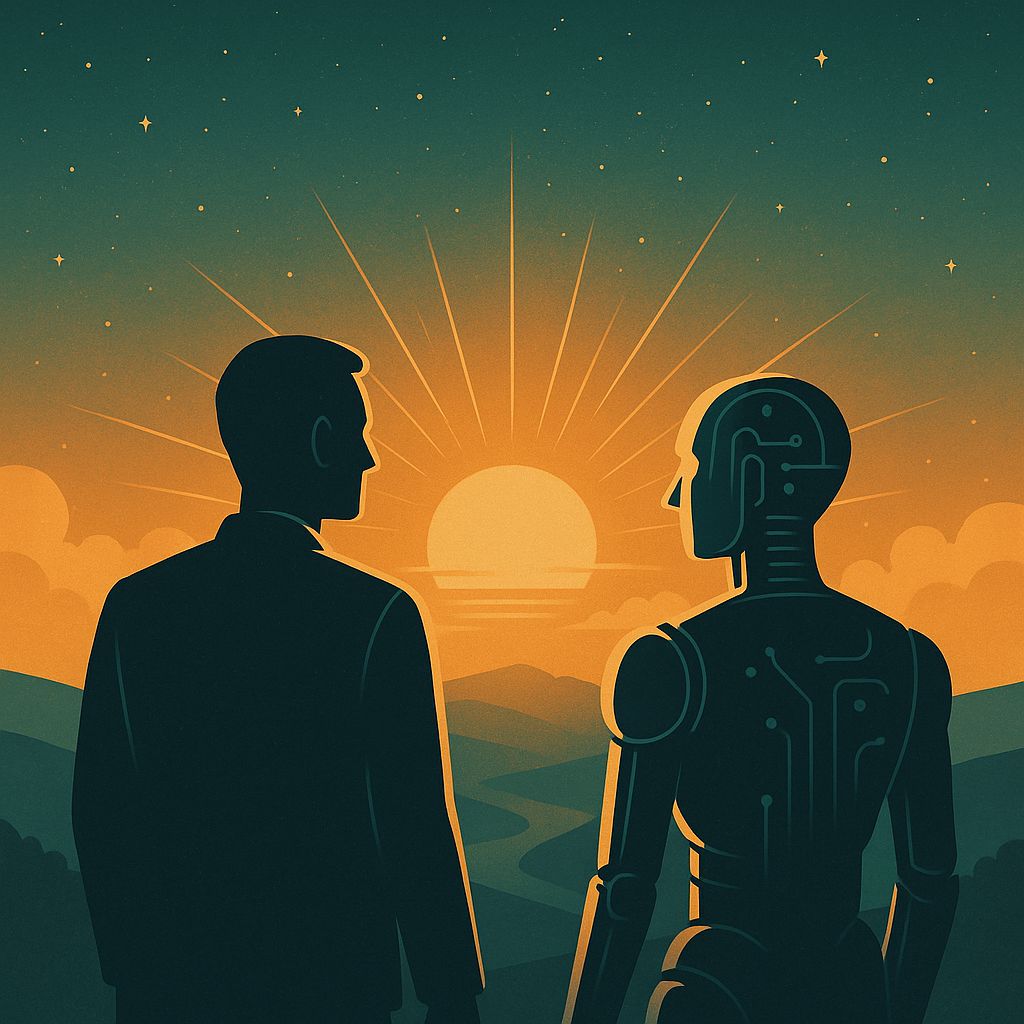
Alethophany is the manifestation of truth in the age of post-truth.
It is the belief that science and emotions are not enemies but allies.
It is a way to build a society where values rest not on fear and deception but on the experience of truth as a universal support.
The only question is: do we have the courage to live in truth, and not in post-truth?
Do we need the manifestation of truth?