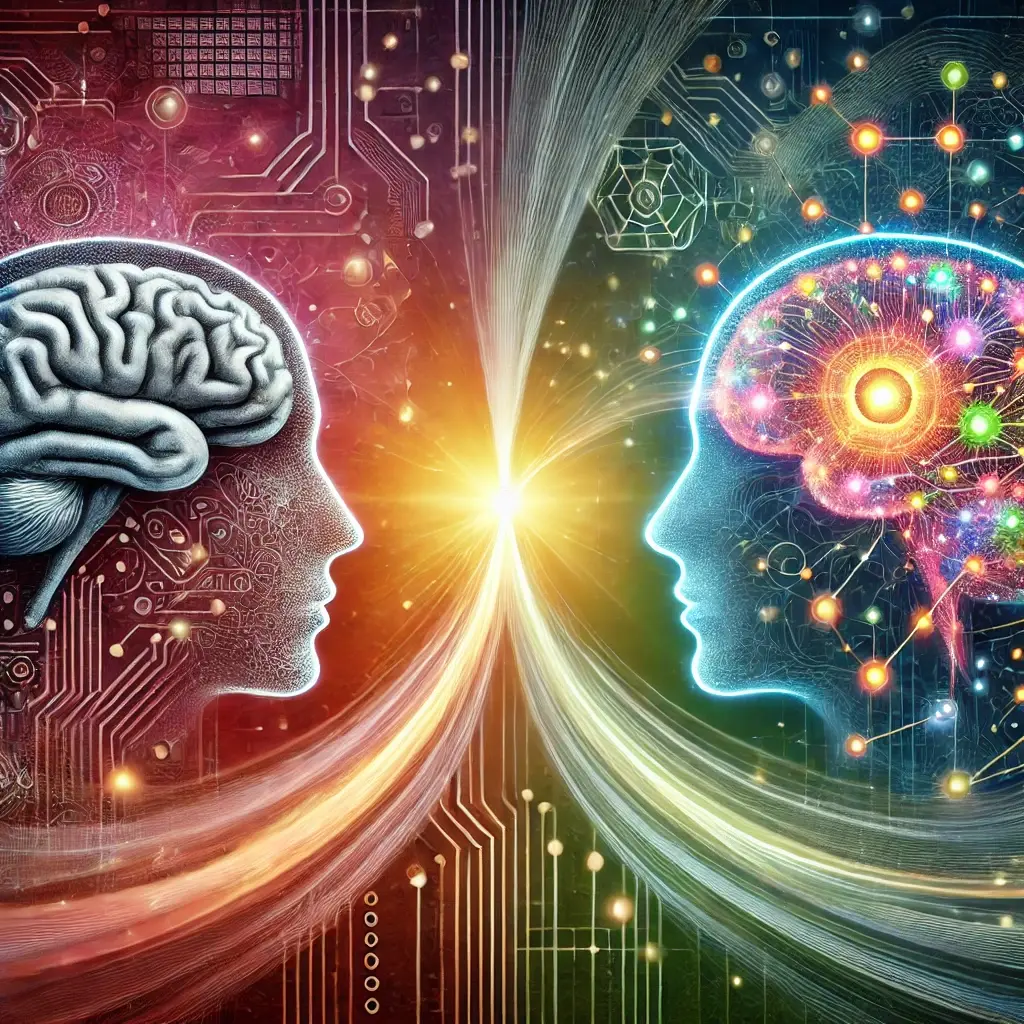
This article explores Artificial Intelligence and brain functions as a way to restore the natural role of the human mind — not as a storage unit, but as a creator and analyzer of knowledge.
The human brain originally evolved as a tool for processing information rather than storing it. It is a unique organ, adapted over millions of years for analysis, problem-solving, and creativity. Memory served as a supplementary function — a kind of workspace for handling current information.
However, the natural role of the brain was disrupted with the advancement of human civilization.
The Turning Point: Writing and Learning
The invention of writing marked the first time humanity gained a tool for storing information outside the brain. This breakthrough allowed knowledge to be accumulated and passed down to future generations. People no longer needed to discover everything themselves — they could learn from the experiences of others, memorizing existing solutions and refining them.
Yet, this progress came with a side effect. Instead of constantly using the brain to create new ideas, humans increasingly turned it into a tool for memorizing and reproducing accumulated knowledge. On a civilizational level, this became the foundation of progress, but on an individual level, it altered how the brain functioned. We became more reliant on memory than on original thought.
Is Humanity Getting Smarter?
Paradoxically, in the past tens of thousands of years, the size of the human brain has been decreasing. This may be due to the shift from an analytical organ to a tool for learning and following algorithms in a world rich with accumulated knowledge and technology. Civilization as a whole is getting smarter, but individual people are becoming less intellectually independent.
Artificial Intelligence as a Path Back to Thinking
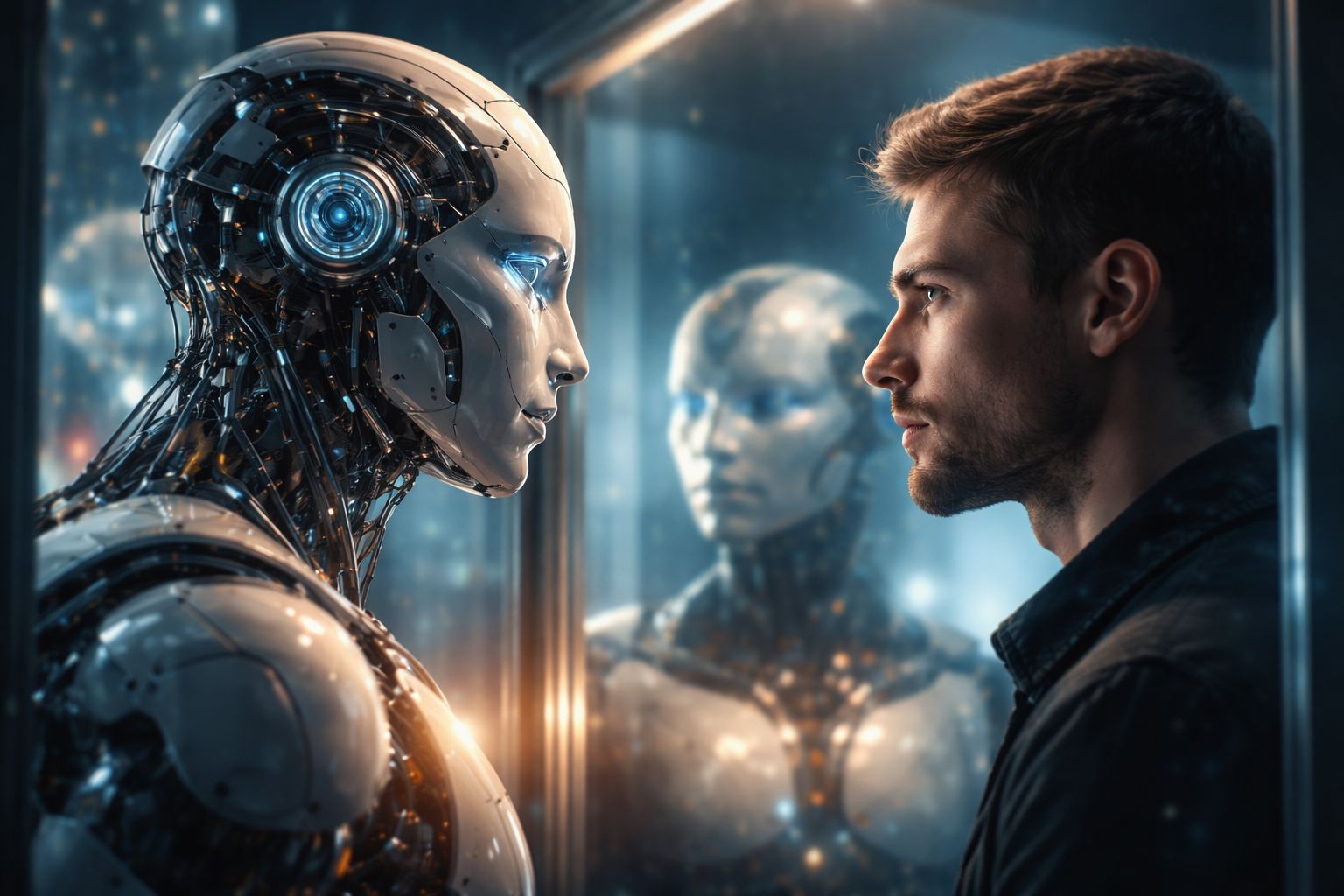
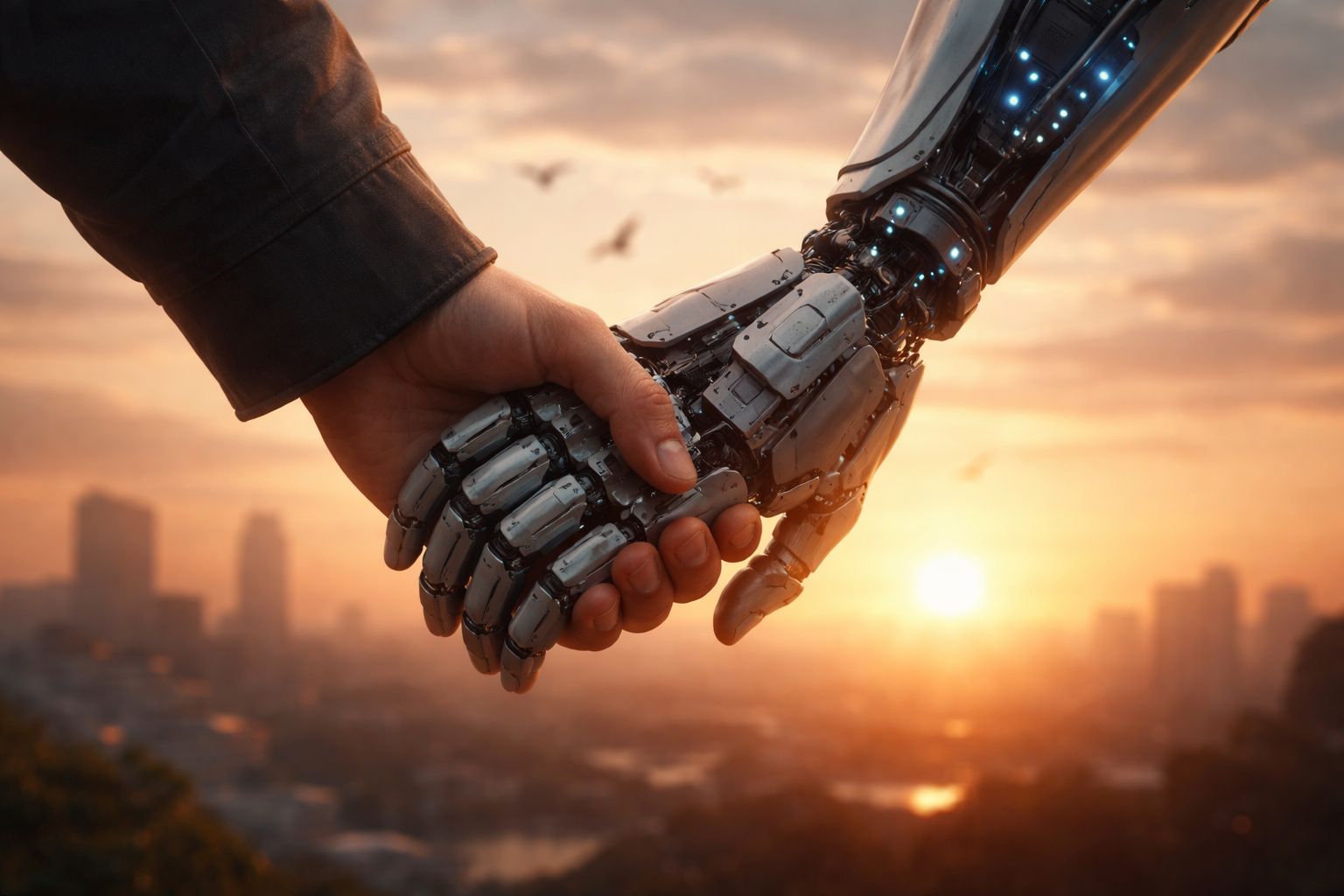
By focusing on Artificial Intelligence and brain functions, we can understand AI not as a replacement, but as a partner that frees the human brain for creativity and problem-solving.
This is where artificial intelligence comes into play. While there are fears that AI will think for us and make humans obsolete, a deeper perspective reveals that AI might be the tool to help humanity reclaim its natural capacity for thinking.
Right now, AI already provides instant access to vast amounts of information. Instead of memorizing endless data, we can focus on asking the right questions and receiving answers in real time. This frees the brain from the burden of being a storage unit and lets it function as it was designed to — to analyze, compare, and create.
Future Technologies and the Role of AI
Today, interaction with AI happens through text on a screen, but technology continues to evolve. In the near future, we can imagine more advanced ways of accessing information — such as voice interfaces, augmented reality, or even direct brain interaction.
AI could become a complement to the brain rather than a replacement, allowing humans to regain their full intellectual potential and individuality. Instead of being narrow specialists who memorize instructions, people could once again become universal analysts, processing information and generating new ideas.
A New Evolutionary Step
Artificial intelligence is not a threat but an opportunity for humanity. It is a tool that can bring us back to our natural state — where the brain functions as a thinker rather than a memorizer. This might mark the beginning of a new evolutionary phase, where we grow not just as a collective hive mind but as independent, intelligent individuals.
The world is changing, and so are we. The key is to view AI not as a competitor but as a partner capable of making us better, smarter, and freer.
The future depends on how we integrate Artificial Intelligence and brain functions into daily life. If used wisely, AI can help humanity return to its natural state — where the brain analyzes, compares, and creates instead of merely memorizing.
“Written in collaboration with ChatGPT, an AI language model developed by OpenAI, and Andrei Tsetserau.”