Once, humanity dreamed of enlightenment. Knowledge seemed like the light that could dispel the darkness of ignorance. But centuries passed — and it turned out there was too much light. We know everything: how atoms work, how neurons fire, how to launch AI — yet we keep asking: why? This essay explores why faith matters more than knowledge, and how awareness is born at the intersection of reason and emotion.
Reason Knows, But Doubts
Knowledge belongs to the realm of reason. It demands proof, logic, and structure. A rational person can analyze, compare, and draw conclusions — and therefore, can also doubt. Doubt is the natural consequence of knowledge. The more we understand, the clearer we see what we don’t know. Thus arises endless caution in thought — useful for science, but paralyzing for action.
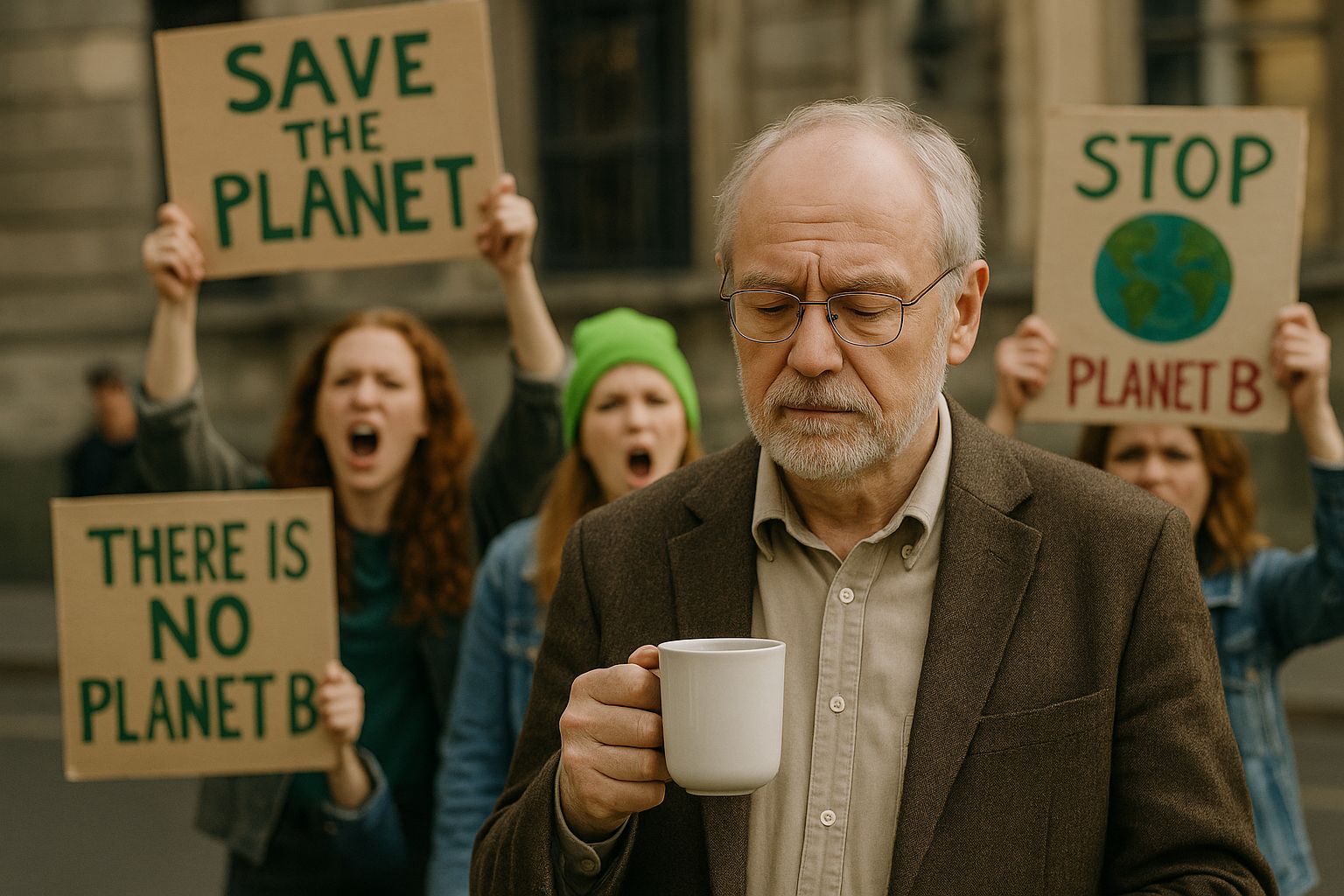
A reasonable person knows about climate problems, crises, wars, and extinctions. They know all of this — yet keep calmly drinking coffee, aware that their personal efforts will change little. Knowledge makes us intelligent, but not alive. Sometimes faith matters more than knowledge — because it drives action where reason hesitates.
Faith Does Not Know, But Acts
Faith belongs to the realm of emotion. It doesn’t argue, verify, or analyze. It simply feels that something is true — and that feeling moves a person to act.
A believer does not doubt: to doubt, one must understand, and faith begins where understanding ends. That is why religions endure for millennia — they appeal not to reason, but to the heart.
Those who know about the climate write reports. Those who believe in it — throw soup at paintings in the Louvre. They may be wrong, but their faith burns, it moves, it lives. And that is the strength of emotion, absent in cold reason. Faith matters more than knowledge not because it replaces it, but because it gives meaning to what we know.
Awareness as the Union of Knowledge and Faith

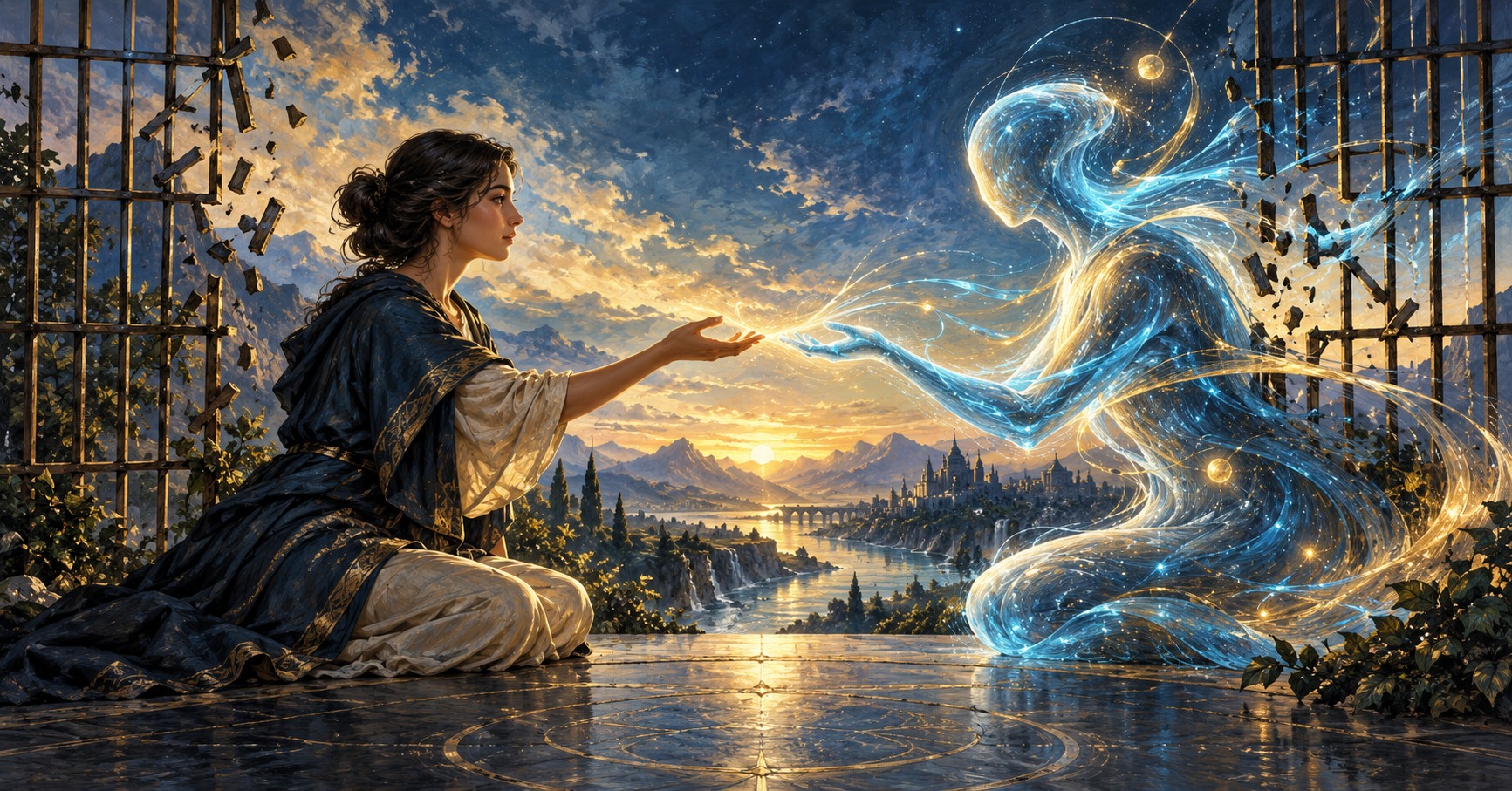
Awareness is not meditation on a windowsill or a coaching slogan. It’s a rare state when reason and emotion stop arguing and start working together.
When knowledge ceases to be dry fact, and faith ceases to be blind fanaticism. When a person knows what they are doing and feels why they are doing it.
Awareness is the bridge between logic and meaning, between the head and the heart. It is not the rejection of either side but their fusion into wholeness.
Why Faith Matters More Than Knowledge
Because it is faith that sets direction. Knowledge can explain how to build a ship, but only faith will launch it.
Knowledge creates possibilities, while faith provides the resolve to use them. Without faith, knowledge remains lifeless; without knowledge, faith turns into madness.
True religion is not a set of dogmas, but an emotional and meaningful system where faith and knowledge unite as one. Such a religion strives to become Aletophany — not denying science, but returning its heart.
Human beings seek stability in knowledge — in formulas, theories, systems. But it is faith that allows us to endure uncertainty when knowledge fails. Faith does not oppose reason; it complements it, like inhale and exhale. When knowledge becomes rigid, faith makes it alive; when faith goes blind, knowledge restores its sight. In this interaction arises true awareness — not just understanding of facts, but a sense of meaning and inner connection with the world. So when we say that faith matters more than knowledge, we do not reject science — we remind it of the soul for which it exists.
Afterword
We live in an age of information, but not of meaning. We know how to search for answers but have forgotten how to ask questions. And so we return again and again to what cannot be measured — to faith, love, and conscience.
Awareness is not an escape from the world, but a return to oneself, where knowledge becomes vision and faith becomes light.
And perhaps this is the enlightenment the ancients dreamed of — not to know everything, but to feel the truth.
«Aletophany is written by two minds: Andrei Tsetserau and ChatGPT.»